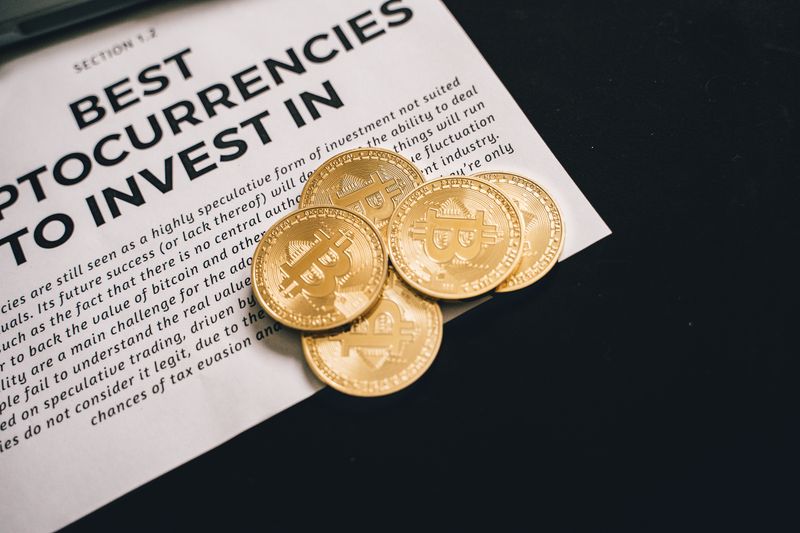
Cryptocurrency has gone from a cypherpunk experiment to a trillion-dollar asset class in just over a decade. Whether you think it's the future of money or a speculative bubble, understanding how it works is essential before putting any money in.
What Is Cryptocurrency?
Cryptocurrency is digital money that runs on a blockchain — a decentralised ledger that records every transaction across thousands of computers simultaneously. Because no single company or government controls it, no one can freeze your account, reverse a transaction, or inflate the supply at will (for most coins).
The first and most important cryptocurrency is Bitcoin (BTC), created in 2009 by the pseudonymous Satoshi Nakamoto. Its total supply is capped at 21 million coins, by design.
Bitcoin vs Ethereum: What's the Difference?
Bitcoin is primarily a store of value and medium of exchange — digital gold. Its blockchain is intentionally simple and secure.
Ethereum (ETH) is a programmable blockchain. On top of Ethereum, developers can build applications called smart contracts — self-executing code that runs automatically when conditions are met. This powers DeFi (decentralised finance), NFTs, and most crypto applications.
What Are Altcoins?
Any cryptocurrency that isn't Bitcoin is called an altcoin. Some have genuine utility:
- Solana (SOL) — fast, cheap transactions; popular for NFTs and DeFi.
- Chainlink (LINK) — connects blockchains to real-world data.
- USDC / USDT — stablecoins pegged to the US dollar, used to avoid volatility while staying in crypto.
Many altcoins, however, are speculative at best and scams at worst. The further down the market-cap rankings you go, the higher the risk.
How to Buy Crypto
The easiest route for beginners is a centralised exchange (CEX):
- Coinbase — beginner-friendly, regulated in most countries.
- Binance — largest exchange by volume, more advanced features.
- Kraken — strong security reputation, popular in Europe.
You sign up, verify your identity, deposit fiat currency (£, $, €), and buy crypto. The exchange holds it for you in a custodial wallet.
For more control, you can move crypto to a self-custody wallet (like Ledger or MetaMask). This means only you hold the private keys — and only you are responsible if you lose them.
Understanding Crypto Volatility
Crypto is dramatically more volatile than stocks. Bitcoin has fallen 80%+ from its peak — three separate times. It has also risen 10,000%+ from its lows. This volatility is a feature for traders and a hazard for investors who can't stomach it.
Before investing in crypto, ask yourself: could I handle seeing this position down 60% and not sell? If the answer is no, size your position accordingly — or stick to Bitcoin and Ethereum which have historically recovered.
Key Risks Specific to Crypto
- Exchange failure — FTX collapsed overnight in 2022, taking customer funds with it. "Not your keys, not your coins."
- Regulatory risk — governments can restrict or ban crypto activity.
- Smart contract bugs — DeFi protocols have lost billions to code exploits.
- Scams — rug pulls, fake projects, and phishing are rampant. If something promises guaranteed returns, it's a scam.
A Sensible Starting Point
Most financial advisors who accept crypto suggest allocating no more than 5–10% of a portfolio to it. A reasonable beginner approach:
- Start with Bitcoin and/or Ethereum only — the most established, liquid assets.
- Use a reputable, regulated exchange.
- Dollar-cost average (buy a fixed amount weekly or monthly) to smooth out volatility.
- Move large holdings to a hardware wallet if you plan to hold long-term.
- Track signals alongside fundamentals — Indikators covers crypto signals with the same AI analysis as stocks.